




About Foot Valves and Where They Shine
Time:
2024-03-28
The world of pumps and plumbing relies on many essential components, and the humble foot valve is one such unsung hero. While it may not be the flashiest piece of equipment, its role is crucial in keeping things running smoothly. This article dives into the world of foot valves, exploring their purpose and the applications where they play a vital role.
What is a Foot Valve?
A foot valve is a one-way check valve typically installed at the lowest point of a pipe or hose, particularly on the suction line of pumps. It allows fluid to flow in one direction (towards the pump) but prevents it from flowing back when the pump is turned off. This is vital for several reasons:
- Priming the Pump: When a pump is shut down, fluid naturally drains out of the suction line. A foot valve prevents this, ensuring the pump remains primed with liquid and ready for immediate operation. This saves time and energy required for repriming.
- Preventing Backflow Contamination: In applications where the fluid source might be contaminated (like wells or open bodies of water), a foot valve safeguards the pump and piping system from unwanted backflow.
Common Applications of Foot Valves
Foot valves find use in various pumping systems, including:
- Submersible and Jet Pumps: These pumps, commonly used in wells and rainwater harvesting systems, rely on foot valves to maintain prime and prevent backflow from potentially contaminated well water.
- Irrigation Systems: Foot valves ensure proper water flow direction in irrigation setups, preventing unwanted drainage and aiding pump efficiency.
- Industrial Applications: In industrial settings involving liquid transfer, foot valves play a role in various processes, from chemical processing to sump pumps.
- Marine Applications: Bilge pumps on boats often utilize foot valves to prevent seawater backflow into the bilge area.
Materials and Design Considerations
Foot valves come in various materials like brass, stainless steel, or PVC, each suited to specific applications and fluid types. The design can also vary, with options like flapper valves, swing check valves, and ball check valves. Selecting the right foot valve depends on factors like the type of fluid, pressure rating, and pipe diameter.
In conclusion, while a simple device, the foot valve plays a crucial role in pump systems. By preventing backflow and maintaining prime, it ensures efficient operation and protects pumps from potential damage. So, the next time you encounter a well-functioning pump, remember the silent contribution of the foot valve working tirelessly behind the scenes.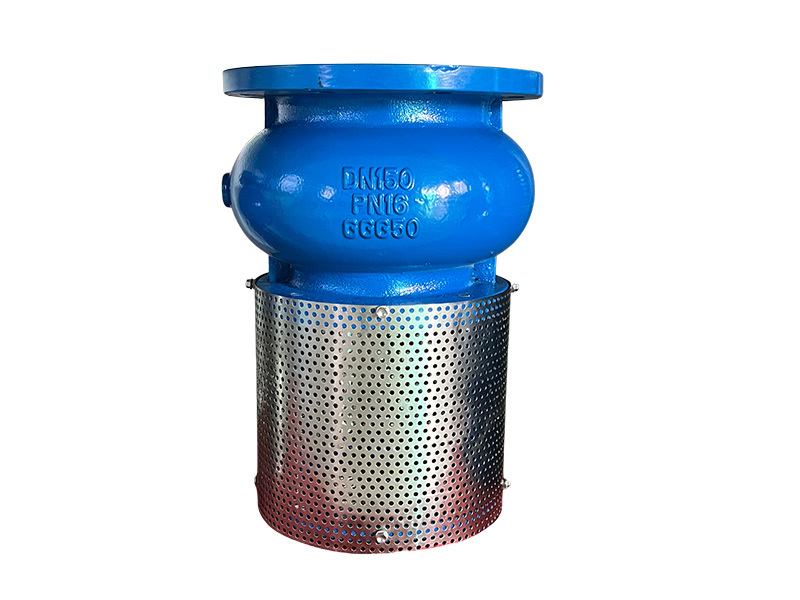
Share

Email: sales@littleboyvalve.com
Add: zhengzhou, xingyang, China 450100
Tel: +86-18638254856 +86-4009007828
Fax: +86-0371-64960987
Copyright © Zhengzhou Little Boy Valve Development Co., Ltd.
This site already supports IPV6 Business license Powered by 300.cn | SEO